Featured
Important Facts to Expect Before Filing for Bankruptcy
Table of Contents
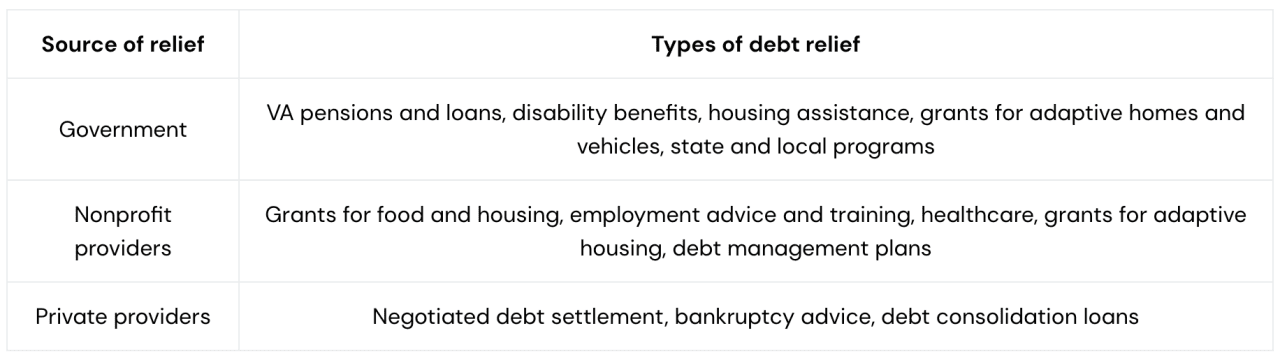
There is no government financial obligation relief program for charge card. You can, however, discover debt relief for credit cards through other avenues. Financial obligation relief business offer services to help you handle and pay off charge card debt for less than you owe. This is called debt settlement. When you settle charge card financial obligation, you and the credit card business settle on a quantity you'll pay, which is less than the total balance you owe.
If you don't have a swelling sum to offer your financial institutions (a lot of individuals do not), you may pick to stop making credit card payments and rather set aside money in a dedicated account. If you stop paying your financial institutions for any factor, expect credit rating damage and collection efforts. Bankruptcy has a significant unfavorable effect on your credit rating.
On the pro side, financial obligation settlement could help you get out of debt much faster than making minimum payments, since you're paying less than the overall balance. A disadvantage of choosing debt settlement for debt relief is that it's most likely to damage your credit standing. Note, nevertheless, that if you're currently falling back on your payments, the odds are good you've already seen a negative effect on your credit report.
If you're considering charge card debt relief programs, research your alternatives thoroughly. Check the services used, the fees, and online reviews to see what other people are stating. No matter which financial obligation relief program you pick, the most important thing is taking action to get your financial resources and credit back on track.
Expert Tips for Managing Personal Debt
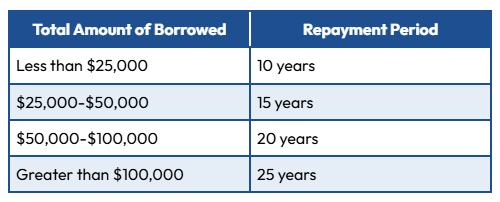
Borrowers with government student loans might qualify for income-driven repayment plans. They base your regular monthly payments on a percentage of your earnings. This helps make sure you can afford those payments.
Working long enough in certain public service occupations might certify you to have the remainder of your financial obligation forgiven. Could paying into an income-driven payment program for 20 or 25 years.
Financial obligation forgiven under federal student loan programs is usually an exception. There are a few states where forgiven federal student loan financial obligation may be treated as taxable earnings.
How to End Unwanted Harassment From Debt Collectors
Let's deal with some typical misconceptions about federal government debt relief programs to clear up any confusion. Truth: In most cases, internal revenue service and student loan financial obligation forgiveness programs are based upon your capability to pay. So, while they decrease the amount you owe, they might not totally eliminate your financial obligation. Reality: Different programs have various eligibility requirements.
People from a range of financial backgrounds could benefit. It's just a matter of conference specific requirements. Reality: The application process might take some time. But there are many resources and assistance systems offered to help you. With the right guidance, you can resolve the application procedure. Now that we have actually debunked these misconceptions, you can much better understand what government financial obligation relief programs can provide.
Federal government financial obligation relief programs don't cover all types of financial obligation, but there are other alternatives that can assist. Here's what you can do if you have financial obligation issues the government can't resolve.
These organizations consist of personal financial obligation relief business and nonprofit credit counselors. Here are some of the options they may offer: Challenge programs: Many lenders offer hardship programs to assist you survive bumpy rides. These programs may lower or pause payments, lower interest rates, or waive charges for individuals experiencing monetary problem.
Top Government Debt Relief Solutions for 2026
This might result in substantial financial obligation decrease. Credit therapy: A licensed credit counselor can assist you create a budget plan and learn cash management abilities if you enroll in their debt management program.
Family debt in America is over 18 trillion dollars, according to the Federal Reserve Bank of St Louis. With so much financial obligation, it's not surprising that numerous Americans want to be debt-free.
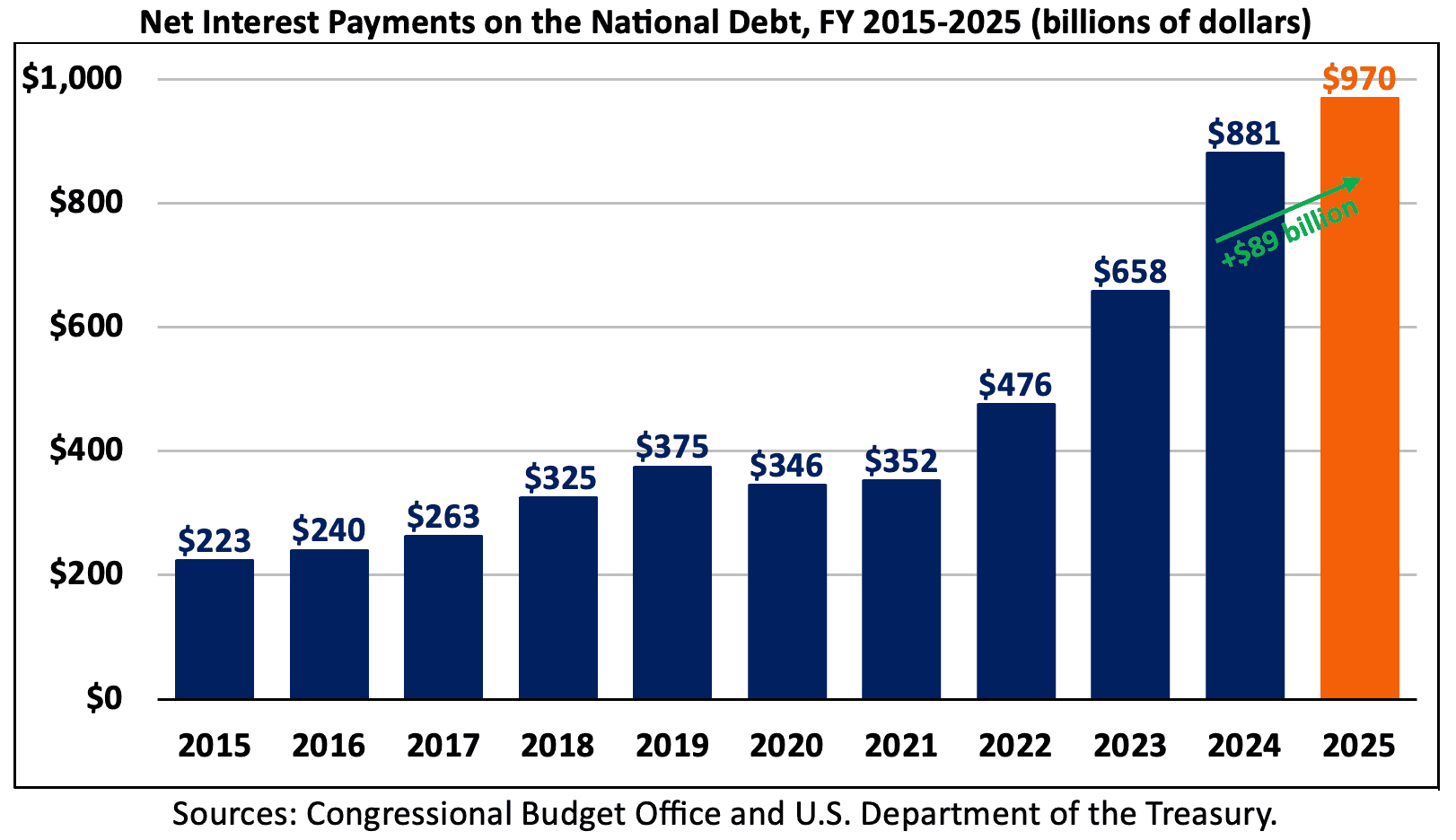
Financial obligation is constantly a financial problem. It has actually become more tough for numerous people to handle in current years, thanks to increasing interest rates. Rates have actually increased in the post-COVID age in response to uncomfortable financial conditions, including a rise in inflation brought on by supply chain disturbances and COVID-19 stimulus spending.
While that benchmark rate does not directly control rates of interest on debt, it affects them by raising or decreasing the cost at which banks borrow from each other. Included costs are typically passed on to clients in the kind of greater rate of interest on financial obligation. According to the Federal Reserve Board, for example, the typical rate of interest on credit cards is 21.16% since May 2025.
Choosing Between Bankruptcy and Credit Settlement Programs
Card rate of interest might also increase or remain high into 2026 even if the Federal Reserve alters the benchmark rate, since of growing creditor issues about rising defaults. When lenders are scared customers won't pay, they often raise rates. Experian likewise reports typical interest rates on auto loans struck 11.7% for secondhand cars and 6.73% for brand-new vehicles in March 2025.
The Difference Between Federal and Private Debt ExpirationPersonal loan rates are also greater. With many sort of debt ending up being more costly, many individuals desire to handle their financial obligation for goodespecially offered the continuous financial unpredictability around tariffs, and with an economic crisis risk looming that could impact employment prospects. If you are afraid of rates rising or the economy faltering, positioning yourself to end up being debt-free ASAP is among the most intelligent things you can do.

Latest Posts

Achieving Financial Success After Debt in 2026
Benefits of Free Credit Counseling Programs in 2026
Defending Your Income From Debt Harassment